
How to Show Up Ready?
TV interview preparation for authors starts with three essentials: credibility, clarity, and professional presentation. Your book gives you authority, your talking points help the host guide the segment, and your camera, microphone, lighting, background, and concise answers help you appear polished on screen. The goal is not only to get booked. The goal is to show up ready, deliver value, and make the audience want to learn more from you.
Getting booked on television is exciting, but the booking is only the beginning. Once a producer says yes, the author has a new responsibility. You have to be ready to deliver a clear, useful, and professional interview that serves the audience and strengthens your authority.
Many authors focus so much on getting the media opportunity that they forget to prepare for the moment itself. They think the book will carry the interview. While the book matters, the way you show up matters too.
At Best Seller Publishing, the Publish. Promote. Profit. framework teaches that a book should become a business growth asset. Media exposure is one of the ways authors promote that asset. But promotion only works when the author is prepared to represent the book, the message, and the opportunity well.
Why TV Interview Preparation for Authors Matters
A television interview can create instant credibility. When an author appears on TV, the audience often sees that person as more established, more trustworthy, and more authoritative. That kind of visibility can help sell books, support speaking opportunities, create media clips, and open new business conversations.
However, TV can also expose a lack of preparation. If the author rambles, gives unclear answers, looks uncomfortable, has poor audio, or fails to connect the message to the audience, the opportunity may not create the result they hoped for.
This is why preparation matters. Television moves quickly. A segment may only last a few minutes. In that short window, the author must communicate the main idea, support it with useful insight, and leave the audience with a clear reason to remember them.
The mistake many authors make is treating a TV interview like a long podcast conversation. A podcast may allow time for background, nuance, and extended stories. Television usually requires sharper answers. You need to know what matters most before the interview begins.
The business consequence is significant. A prepared author can turn one appearance into content, credibility, social proof, and traffic. An unprepared author may get the booking but fail to convert the attention into authority.
The takeaway is simple. Getting booked is valuable. Showing up prepared is what makes the booking useful.
The Media Ready Author Framework
The Media Ready Author Framework helps authors prepare for TV interviews with confidence. It has five parts: Message, Materials, Setup, Delivery, and Next Step.
Each part supports a different part of the interview experience. Message keeps you focused. Materials make the producer’s job easier. Setup helps you look and sound professional. Delivery helps you communicate clearly. Next Step helps the audience continue the relationship after the segment.
1. Message: Know the One Big Idea
Before any TV interview, you need to know the one big idea you want the audience to remember. This does not mean memorizing a script. It means knowing the central message that ties your book, your expertise, and the segment together.
This matters because television segments are short. If you try to explain the entire book, you will likely overwhelm the audience. Instead, choose one useful insight that connects to the media hook.
For example, if your book is about leadership, your segment might focus on one mistake leaders make during times of change. If your book is about wellness, your segment might focus on one daily habit that affects long term health. If your book is about writing, your segment might focus on why people fail to finish their books.
The mistake is trying to cover too much. A TV interview is not a full seminar. It is a focused opportunity to introduce the audience to a clear idea and position yourself as the expert who can explain it well.
2. Materials: Give the Producer What They Need
A strong interview often begins before the camera turns on. Producers need to understand who you are, what your book is about, and how the segment can flow.
This is why authors should prepare a professional segment proposal or media one sheet. It should include the book cover, author bio, professional photo, contact information, and talking points the host can use.
The talking points matter because they reduce work for the producer and help shape the interview. If the host already has strong questions, the segment is more likely to stay focused.
The mistake is assuming the producer will do all the research. Producers are busy. When you hand them a clean, useful, interview ready structure, you make yourself easier to book and easier to feature.
3. Setup: Look and Sound Professional
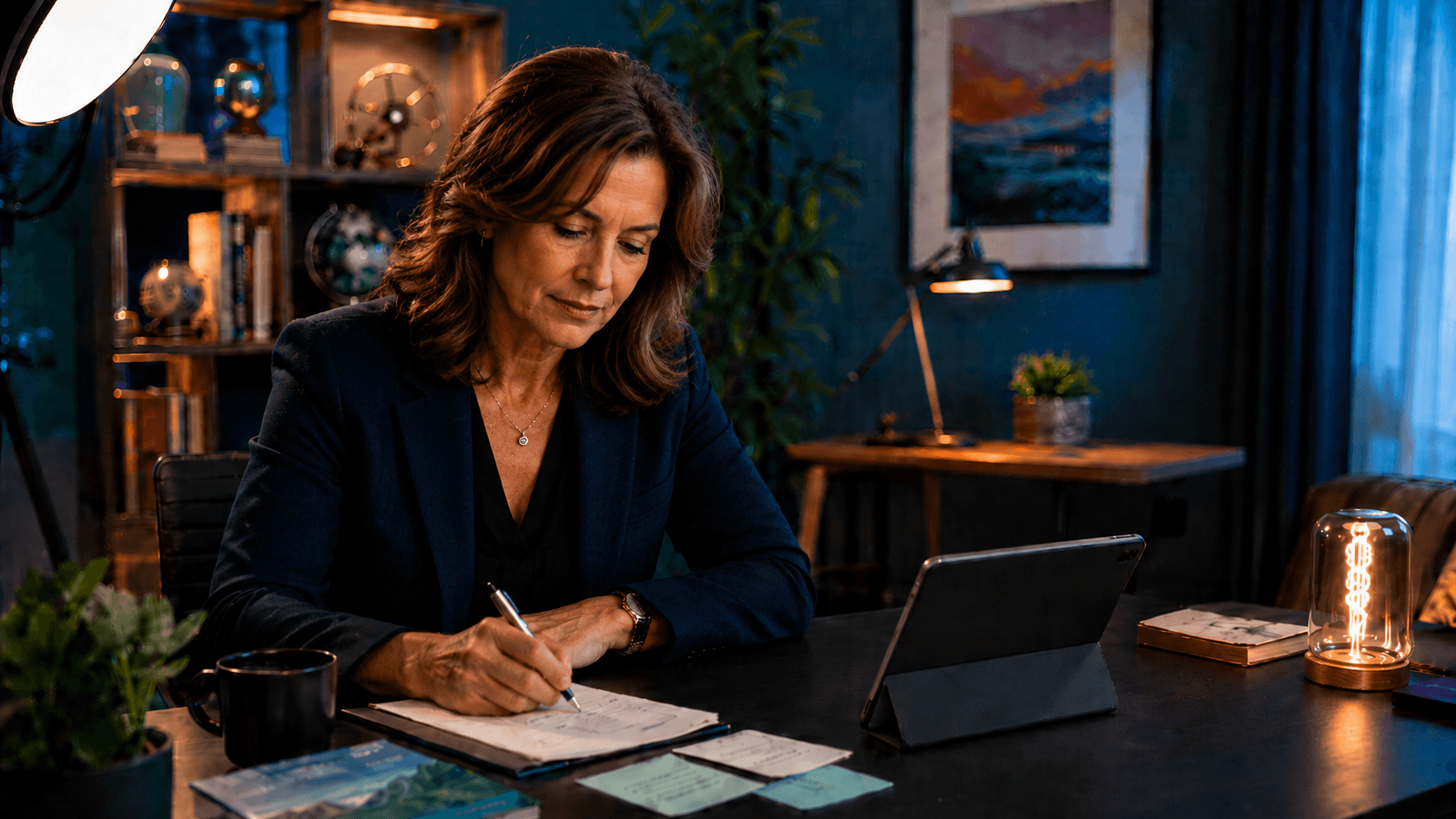
Remote interviews are now common, which means authors need to treat their home or office setup seriously. You do not need a full studio, but you do need a professional presentation.
Start with audio. A good microphone matters because bad sound can make even a strong message hard to follow. Built in computer audio may work in some cases, but a dedicated microphone usually creates a more polished result.
Next, check your camera. A clear HD camera helps you look more professional. Place the camera at eye level so you are not looking down at the audience. Clean the lens, frame yourself well, and make sure your face is visible.
Lighting also matters. Face a light source when possible. Avoid sitting with a bright window behind you because it can make your face look dark. A simple light in front of you can make the interview look cleaner and more credible.
Finally, review your background. A cluttered room can distract from your message. A clean background, bookcase, simple office, or branded but tasteful setting can support your authority.
The business consequence is trust. Viewers may not consciously judge your camera and audio, but they will feel the difference. A polished setup makes your expertise easier to receive.
4. Delivery: Answer With Clarity and Energy
TV interviews require concise answers. The host may only have a few minutes, so every answer should move the segment forward.
A helpful answer structure is point, explanation, example, takeaway. First, give the direct answer. Then explain why it matters. Next, give a short example. Finally, end with a takeaway the audience can remember.
This structure keeps your answers useful without becoming too long. It also helps the host transition naturally to the next question.
The mistake is waiting too long to get to the point. Authors often want to give background first. However, TV audiences need the main point quickly. You can add context after the audience understands the idea.
Energy matters too. Speak with warmth, confidence, and slightly more energy than you might use in a normal conversation. Television can flatten tone, so intentional energy helps you appear engaged without sounding forced.
5. Next Step: Know Where the Audience Should Go
A TV interview should not become a hard sales pitch. Producers generally do not want guests turning segments into direct selling moments. However, authors should still be ready with a clear and simple next step.
Usually, the host will ask where people can learn more. This is your chance to mention your website, book page, or a resource connected to the interview topic.
This matters because attention fades quickly. If viewers hear your message but have no easy way to continue, the opportunity may disappear.
A book funnel can work well as a next step because it connects naturally to the interview. Instead of making a heavy offer, you can guide viewers toward the book or a useful resource that continues the conversation.
How to Prepare Your Talking Points Before the Interview
Talking points are not scripts. They are guideposts. They help you stay focused while giving the host useful questions to ask.
Start by choosing three to five questions the host could ask. These questions should sound natural, not promotional. They should be written from the audience’s point of view.
For example, instead of saying, “Tell us about your book,” a stronger question might be, “What is one mistake people make when trying to solve this problem on their own?” That question lets you teach while still connecting back to the book.
Then prepare short answers for each question. Do not memorize every word. Instead, know the point you want to make, the example you want to use, and the takeaway you want the audience to remember.
This matters because nerves can affect even experienced speakers. Talking points give you structure. They help you recover if the conversation moves quickly or if the host asks the question in a different way.
The mistake is over preparing in the wrong way. Memorized answers can sound stiff. No preparation can lead to rambling. The best approach is structured flexibility.
How to Connect Your Book to the Interview Without Overpromoting
Your book should be part of the interview, but it should not dominate every answer. The audience cares about the value you can provide. The book is the authority asset that supports that value.
Mention the book naturally when it gives context. You might say that the idea comes from a chapter in the book, that the book explores the topic in more depth, or that the book was written to help people solve the problem being discussed.
This keeps the book relevant without making the interview feel like a commercial. It also helps the host see that your expertise is organized around a clear body of work.
The mistake is forcing the book title into every answer. That can feel promotional and may make the segment less useful. Instead, lead with insight. Let the book support the insight.
The takeaway is that a great TV interview makes people interested in the author. When they are interested in the author, they become more likely to look for the book.
What Authors Should Wear for a TV Interview
Your clothing should support your message, not distract from it. Choose something that fits your brand, your topic, and the media outlet.
For business authors, polished professional clothing usually works well. For wellness, lifestyle, or creative authors, the look may be slightly more relaxed while still being intentional.
Avoid busy patterns, overly bright distractions, and anything that blends too much into the background. Also consider how your clothing looks on camera before the interview. A quick test recording can help you see whether the outfit works.
This matters because visual presentation affects perception. The audience will form an impression before you finish your first sentence. Your clothing should help them focus on your message.
The mistake is dressing only for personal comfort without considering the screen. What looks fine in person may look distracting on camera. Preparation helps avoid that issue.
How to Practice Without Sounding Rehearsed
Practice is important, but the goal is not to sound robotic. The goal is to become comfortable enough with your ideas that you can answer naturally.
Record yourself answering your core talking points. Watch the recording and notice where you ramble, speak too fast, look away too often, or bury the main point. Then practice again with shorter, clearer answers.
You can also practice with a colleague or coach. Have them ask the talking point questions in a different order. This helps you become more flexible.
This matters because live interviews do not always follow the exact plan. A host may skip a question, rephrase it, interrupt for time, or ask something unexpected. Practice helps you stay calm.
The mistake is practicing only in your head. Speaking out loud is different. When you rehearse verbally, you discover which ideas are clear and which ones still need refinement.
How to Handle Unexpected Questions
Even with a segment proposal, the host may ask something unexpected. That does not have to be a problem.
If you know the answer, respond clearly and briefly. If the question is outside your area, be honest and bridge back to what you can speak to with authority. You do not need to pretend to know everything.
A simple bridge might sound like, “That is a great question. The part I can speak to from my work is…” Then move back to your expertise.
This matters because credibility is built through honesty. Authors lose trust when they overreach. They gain trust when they stay grounded in what they know.
The business consequence is authority protection. A good interview does not require perfect control. It requires calm, clarity, and sound judgment.
How to Prepare for the Technical Side of Remote TV
Before the interview, test your equipment. Check your microphone, camera, internet connection, lighting, and video platform. Join early if the producer gives you a link in advance.
Close unnecessary tabs and apps. Turn off notifications. Silence your phone. Ask others nearby not to interrupt. Keep water close, but avoid anything that distracts on camera.
If possible, use a wired internet connection or sit close to your router. A frozen screen or broken audio can hurt the flow of the segment.
This matters because technical issues can create stress right before the interview. When your setup is tested, you can focus on the message instead of the equipment.
The mistake is waiting until the final minutes to check everything. Media opportunities often move on tight schedules. If you are late or struggling with tech, it can affect the producer’s confidence.
What to Do After the TV Interview
The interview does not end when the camera turns off. After the appearance, thank the producer, host, or booking contact. This helps maintain the relationship and can support future opportunities.
Then collect the clip if it becomes available. Share it on your website, social media, email list, speaker page, book funnel, and media page. A TV appearance can continue building credibility long after the original broadcast.
You can also turn the interview into additional content. Pull out key quotes, create short clips, write a blog post, or include the appearance in future media pitches.
This matters because media is not only about the live audience. It is also about the authority asset you gain afterward. One strong TV clip can support future bookings, speaking opportunities, sales conversations, and book promotion.
The mistake is treating the interview as a one time event. Smart authors repurpose media. They use it to strengthen their platform.
How TV Interviews Fit Into the Publish. Promote. Profit. Framework
TV interviews fit naturally into the Promote stage of the Publish. Promote. Profit. framework. The book gives you something meaningful to promote. The media appearance puts your message in front of a wider audience. The follow up path helps turn attention into deeper engagement.
However, TV also supports the Profit stage. A strong appearance can drive traffic to your book, grow your email list, support a book funnel, increase trust with prospects, and create social proof for your business.
This is why authors should treat TV preparation as part of their business strategy, not merely a publicity exercise. The goal is not only to be seen. The goal is to use the visibility well.
At Best Seller Publishing, authors are encouraged to think beyond the book sale. A book can help create media opportunities, but those opportunities should connect to a larger platform. That may include speaking, consulting, coaching, workshops, products, services, or other business outcomes.
If you want to prepare for a TV interview as an author, start with your message. Build your talking points. Prepare your setup. Practice concise answers. Know your next step. Then show up ready to serve the audience.
Your book gives you authority. Your preparation helps you deliver it.
Ready to Turn Your Book Into Media Opportunities?
Your book can help you build authority, attract attention, and show up as a credible expert on TV, radio, podcasts, and other media platforms.
Best Seller Publishing helps experts, entrepreneurs, coaches, consultants, and business owners write, launch, and leverage books through the Publish. Promote. Profit. framework.
Schedule a consultation with Best Seller Publishing and learn how your book can become a stronger authority and media asset.